Project
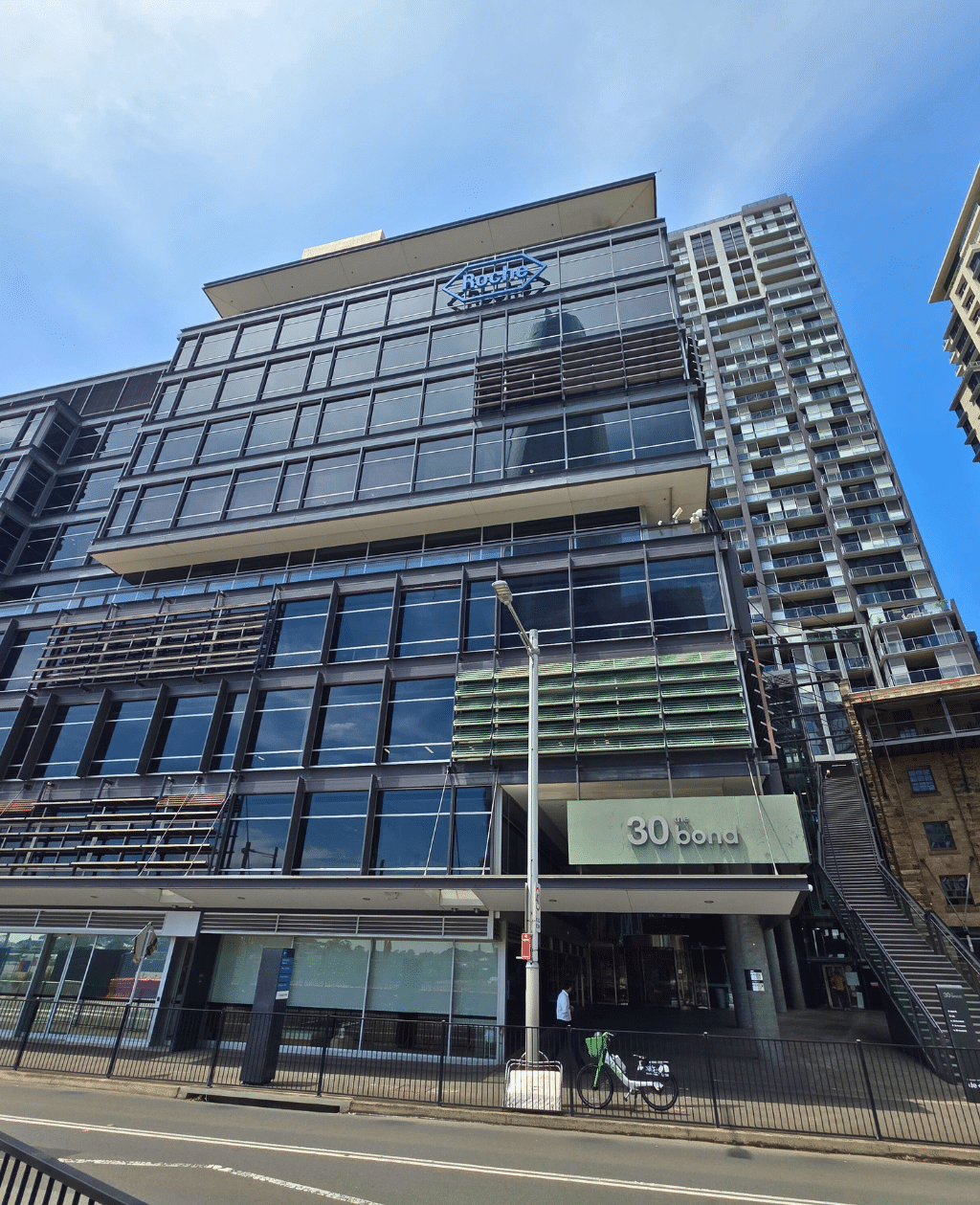
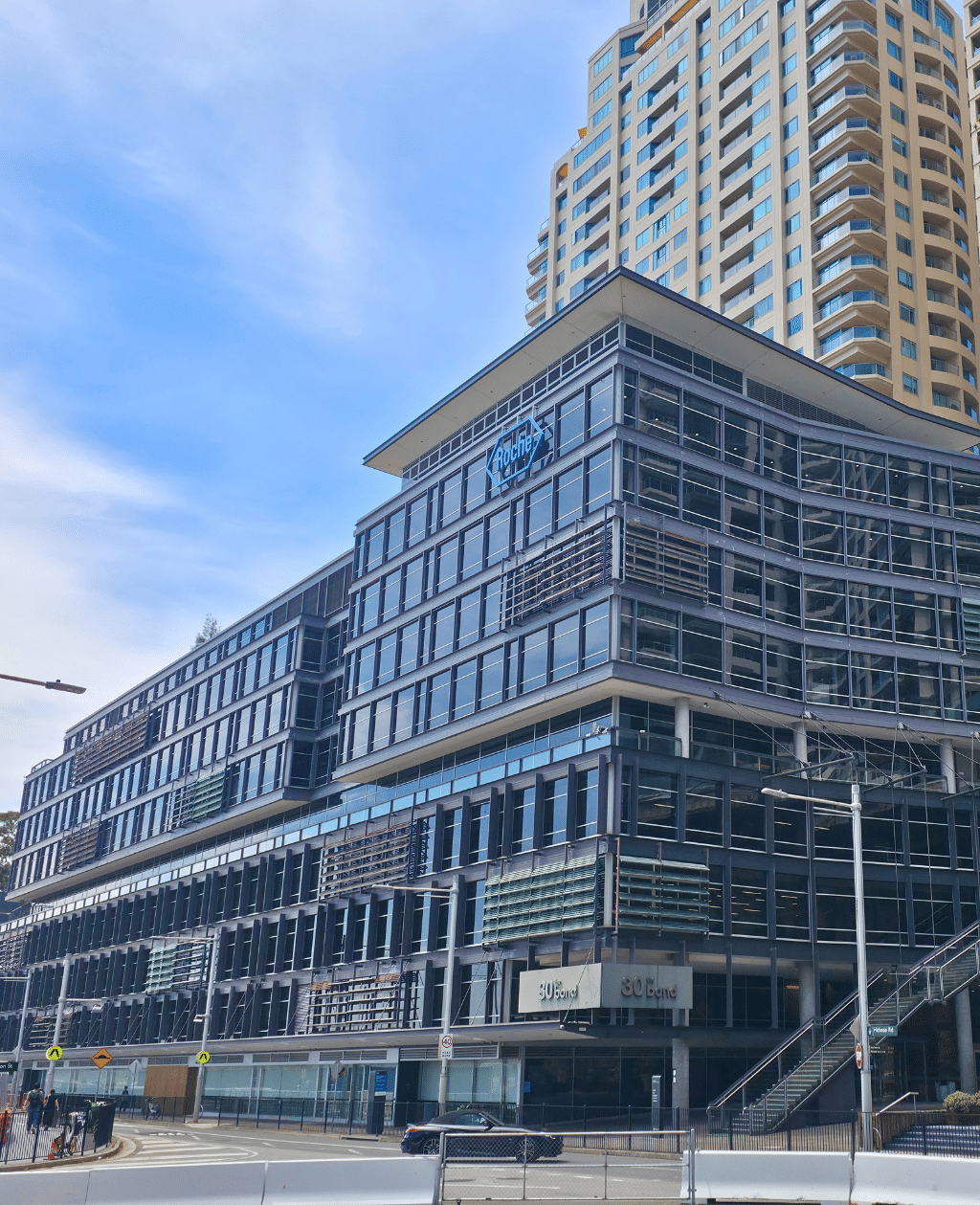
30 The Bond
- GSTEC were engaged by Grosvenor Engineering Group to complete a BMS upgrade in a tenanted building using Niagara BMS.
Overview
The upgrade introduced a Tridium Niagara-based system architecture with WEBs N4 supervisory software, JACE network controllers across all levels, and a new Ethernet backbone throughout the building.
The solution provides comprehensive monitoring and control of a 100% fresh air building, with no recirculated air component, including central plant chillers, condenser and heating water systems, pumps, air handling units, fan coil units, ventilation systems, and tenant floor chilled beams and hot water coils.
Beyond HVAC, the BMS integrates lighting control and monitors key building services such as fire systems, generators, hydraulic services, power metering, and security interfaces. High-level interfaces were implemented to existing Danfoss VSDs, and new field controllers, sensors, and BACnet networks were installed to improve reliability, accuracy, and long-term maintainability.
A modern web-based graphical interface delivers real-time system visibility, automated alarms, energy and performance logging, and remote access for facilities management. Haystack tagging was applied across the system to support data standardisation and future integration.
Delivered in a semi-live commercial office environment, the project included detailed control strategy development, staged commissioning, staff training, and comprehensive as-installed documentation.
Outcome
Completed on time and on budget, the project delivered a modern, open-protocol platform that significantly improved operational control, reliability, and long-term building performance.
The project contributed to 30 The Bond being recognised as the first building in Australia to achieve a certified 5 Star Green Star rating under the Australian Building Greenhouse Rating system.
The new BACnet-based Niagara system provides centralised monitoring and control of HVAC, lighting, power, and essential services, purpose-built to control the building while optimising comfort and energy efficiency. Enhanced integration, advanced alarming, data logging, and remote access now enable faster fault response and more informed facilities management.